
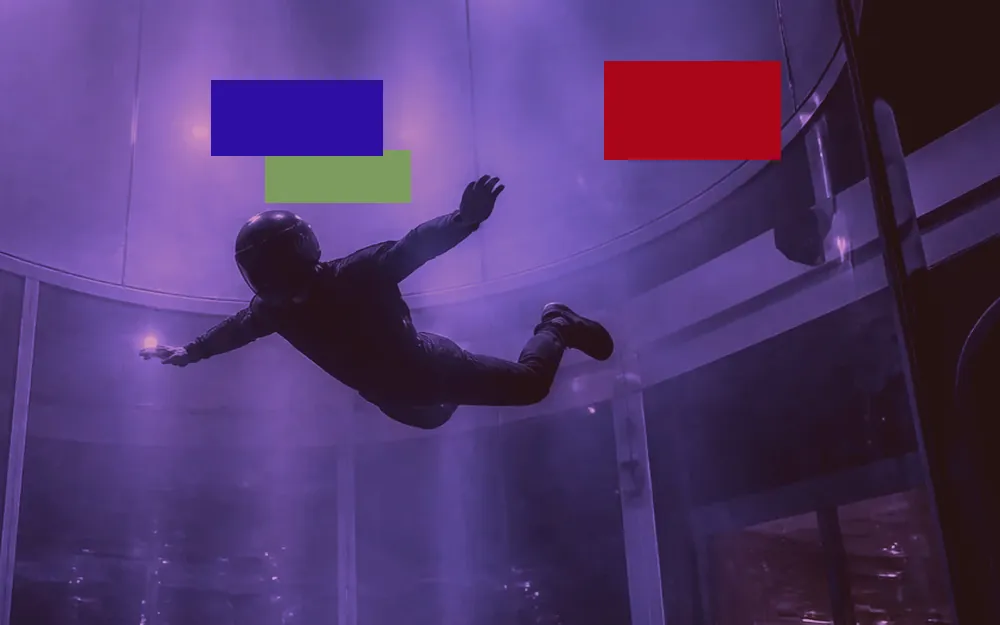
The operator’s current briefing, screening form and chamber rules are the authority for that flight. This page is orientation so you arrive prepared; it doesn’t replace local instruction.
Treat the briefing like flight one
Most confusion—not necessarily injury—comes from people who half-listen because floating “looks intuitive.” It only feels intuitive after you’ve held a stable shape once. Until then, entry order, exit order and hand signals are the safety system.
- Arrive early enough to hear the whole class.
- Ask about anything you missed—especially how to stop.
- Watch how instructors demonstrate entry into the airflow.
Gear isn’t a costume
Helmets, suits and sometimes goggles or ear protection exist for airflow, noise and contact with the chamber. Take off jewellery. Secure loose items. Closed-toe shoes are commonly required. If you wear glasses, ask how they handle that before you’re standing at the door.
Loose objects in high airflow become everyone else’s problem very quickly.
Signals beat shouting
Tunnels are loud. Instructors rely on rehearsed gestures. Learn the local set. If you need to stop, use the method they taught—don’t improvise a dramatic exit.
Tell the truth on the medical form
Facilities ask about things that matter in high airflow and exertion: recent surgeries, back or neck issues, pregnancy, certain heart or respiratory concerns, and more. Answer honestly. Being turned away is inconvenient. Surprising an instructor mid-flight is worse.
Feel off between rotations? Say so. There’s no prize for forcing the next entry.